What Makes Durable Mil Spec Pouches Worth Your Attention
Durable mil spec pouches are purpose-built protective containers that meet strict U.S. Department of Defense standards for barrier performance, material strength, and environmental resistance — making them the go-to choice for military, law enforcement, and serious tactical professionals.
Quick answer — what to know before you buy:
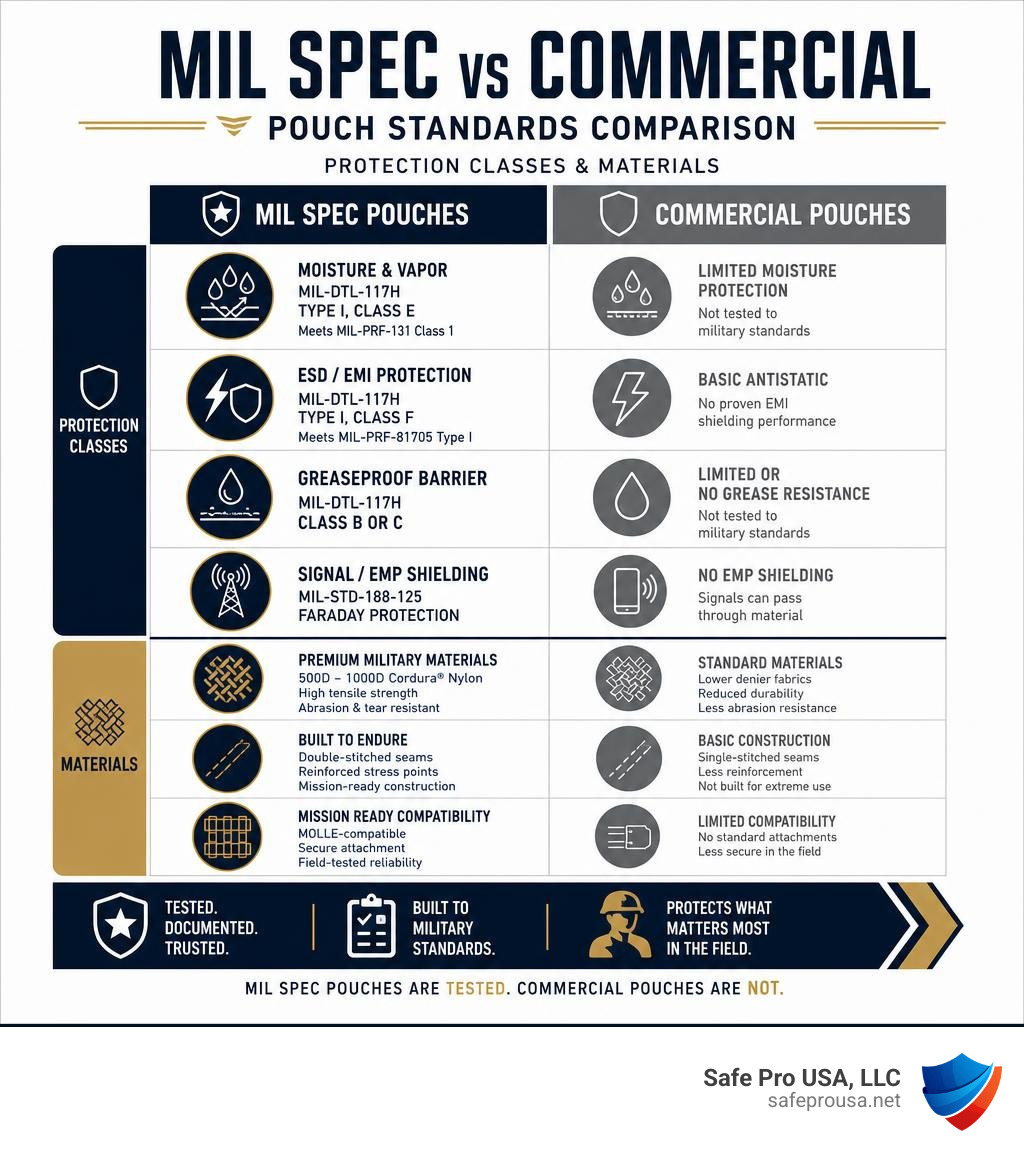
| Need |
Look For |
| Moisture and vapor protection |
MIL-DTL-117H Type I, Class E — meets MIL-PRF-131 Class 1 |
| ESD/EMI protection for electronics |
MIL-DTL-117H Type I, Class F — meets MIL-PRF-81705 Type I |
| Greaseproof barrier |
MIL-DTL-117H Class B or C |
| Rugged load-bearing tactical use |
500D–1000D Cordura nylon, double-stitched, MOLLE-compatible |
| Signal/EMP shielding |
Faraday pouches meeting MIL-STD-188-125 |
Not all pouches labeled "military grade" are actually built to a written spec. True mil spec pouches are tested, documented, and traceable to specific standards — and that distinction matters when lives or mission-critical equipment are on the line.
Gear that fails in the field isn't just inconvenient. It can mean damaged electronics, compromised medical supplies, or lost communications at the worst possible moment.
I'm Michael Wratten, VP of Marketing & Sales at Safe Pro USA and a 20-year law enforcement veteran who has worked with leading tactical gear brands across the defense industry — giving me insight into what separates genuinely durable mil spec pouches from marketing claims. In the sections below, I'll break down exactly what the standards require and how to choose the right pouch for your mission.
Understanding MIL-DTL-117H: The Blueprint for True Durable Mil Spec Pouches
To understand what makes a pouch truly defense-grade, we have to look at the official rulebook. In military packaging and barrier protection, that rulebook is MIL-DTL-117H (specifically the detailed MIL-DTL-117 Specification). This is the active military detail specification governing heat-sealable bags and pouches used in specialized military preservation methods.
MIL-DTL-117H is not just a general guideline; it is a rigorous engineering standard managed by the Department of Defense. It defines exactly how a pouch must be constructed, how wide the heat-sealed seams must be, and how much weight the pouch must support without failing. For example, under the Mil-DTL-117, Mil Bag Specification, standard-size pouches are subjected to intensive leakage testing (specifically FED-STD-101 Method 5009) and heat-sealed seam strength evaluation to ensure they do not fail under pressure.
These classifications are divided into Types (representing the duty level or material thickness, such as Type I for Heavy Duty, Type II for Medium Duty, and Type III for Light Duty) and Classes (defining the level of environmental protection).
| MIL-DTL-117H Class |
Primary Protection Level |
Common Material Standard |
Ideal Application |
| Class A |
Waterproof, Electrostatic Protective |
MIL-PRF-81705 |
Sensitive microchips, circuit boards |
| Class B |
Waterproof, Greaseproof |
MIL-PRF-121 |
Lubricated mechanical components, spare parts |
| Class C |
Greaseproof, Acid-Free |
MIL-PRF-121 |
Precision machined metal fittings |
| Class E |
Watervaporproof, Greaseproof |
MIL-PRF-131 |
Long-term weapon preservation, dry food rations |
| Class F |
Watervaporproof, Electrostatic Protective |
MIL-PRF-81705 |
Mission-critical communications equipment |
| Class H |
Waterproof, Greaseproof, Electrostatic |
MIL-PRF-81705 |
Flight deck electronics, naval aviation gear |
These strict standards ensure that whether a pouch is sitting in a hot, humid cargo container in a tropical port or strapped to a rucksack in the sub-zero arctic, the contents remain completely isolated from destructive environmental elements.
Material Standards: MIL-PRF-131 and MIL-PRF-81705
A mil-spec pouch is only as good as the raw film or laminate from which it is made. That is why MIL-DTL-117H relies on specialized performance specifications for raw materials. The two most critical standards for high-barrier performance are MIL-PRF-131 and MIL-PRF-81705.
-
MIL-PRF-131 Class 1 (Foil Laminates): This standard represents the gold standard of moisture-barrier packaging. To meet Class 1 requirements, a material must achieve a water vapor transmission rate (WVTR) below 0.02 g/100 in²/24 hr at 100 °F and 90% relative humidity. This incredibly low transmission rate is achieved by laminating layers of aluminum foil, polyester, and heavy-duty polyethylene. These foil-based barrier bags, such as the SpecPack™ 1E1 - Foil Watervaporproof Barrier Bags – Royco Packaging, provide the highest flexible barrier performance available, protecting critical components from corrosion and moisture damage during years of long-term storage.
-
MIL-PRF-81705 Type I (Electrostatic & Electromagnetic Protection): For military electronics, moisture is only half the battle. Electrostatic discharge (ESD) can fry sensitive electronic components in a microsecond. Materials certified to MIL-PRF-81705 Type I are designed to shield contents from both static electricity and electromagnetic interference (EMI). When converted into Mil-Spec Bags - Correct Products, these films keep static-sensitive components safe during global transit through high-risk environments.
Environmental Barrier Classes (A, B, C, E, F, H)
When selecting durable mil spec pouches for environmental storage, understanding the specific barrier classes is critical for matching the pouch to the threat:
-
Classes B and C (Greaseproof Protection): Designed to hold items coated in heavy preservatives, oils, or grease. These pouches prevent lubricants from leaching out of the package while keeping external contaminants from degrading the protective oils.
-
Class E (Watervaporproof Sealing): These pouches are designed for ultimate moisture control. Combined with a mil-spec desiccant, Class E pouches completely halt the oxidation process, making them the standard choice for naval aviation and long-term weaponry storage.
-
Classes F and H (Electrostatic and Electromagnetic Shielding): These classes combine greaseproof and waterproof properties with active ESD/EMI shielding, ensuring that high-value military communications gear remains functional upon deployment.
Tactical and Load-Bearing Pouches: Mil-Spec vs. Commercial
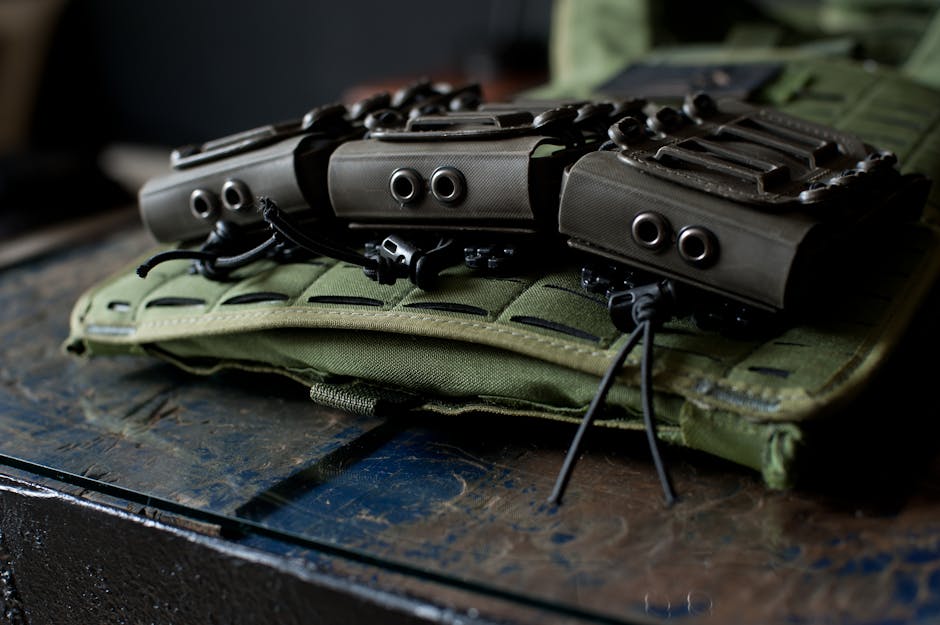
While barrier bags protect gear in storage, tactical and load-bearing pouches protect gear in active operations. In the field, the term "mil-spec" shifts from heat-sealable films to heavy-duty textile engineering.
Tactical load-bearing pouches are designed to integrate seamlessly with modular systems like MOLLE (Modular Lightweight Load-carrying Equipment) and PALS (Pouch Attachment Ladder System). Whether you are securing ammunition with our high-grade Rifle Magazine Pouches Tactical or carrying vital medical gear, the construction standards must remain uncompromisingly high to withstand the physical abuse of field operations.
Design and Construction of Durable Mil Spec Pouches
What makes a tactical pouch truly durable? It comes down to honest, heavy-duty materials and reinforced construction methods:
-
Nylon Denier (500D vs. 1000D): True tactical mil-spec pouches are constructed from texturized Cordura® nylon. 1000D Cordura offers maximum abrasion resistance, making it perfect for heavy-duty utility gear and high-wear areas. 500D Cordura provides a lighter-weight alternative that retains exceptional tear resistance while shedding unnecessary bulk, which is ideal for modern, low-profile plate carriers and rapid-movement loadouts.
-
Thread and Stitching: Standard commercial sewing thread will dry-rot, fray, and snap under load. Mil-spec tactical gear requires heavy-duty nylon thread, such as T-70 bonded nylon. Critical stress points—such as MOLLE straps, attachment loops, and pocket openings—must feature double-stitching, reverse-stitching, or dense bar-tack patterns.
-
Zippers and Hardware: A broken zipper can render an entire pouch useless. Mil-spec designs utilize oversized, heavy-duty zippers (such as YKK #10 coil zippers) with paracord pulls to eliminate metal-on-metal noise and allow easy operation while wearing gloves.
-
Innovative Materials: Modern tactical gear also incorporates advanced materials salvaged from high-stress industries. For instance, some high-durability everyday carry (EDC) pouches combine PBI Stretch XT with Kevlar—often salvaged from firefighter turnout gear factory cutoffs—to create incredibly tough, water-repellent pouches that easily outperform standard commercial nylon.
Selecting Durable Mil Spec Pouches for Field Operations
Optimizing your tactical loadout requires selecting specialized pouches designed for specific operational roles:
-
Hydration Carriers: Built to hold 1.5-liter to 3-liter water bladders. These pouches feature insulated interior linings (such as Posi Grip fabric) to keep liquids cool, along with bottom drainage grommets to let moisture escape during water operations.
-
Individual First Aid Kits (IFAK): A mil-spec IFAK pouch is engineered for rapid, one-handed deployment. It often features a tear-away design or a quick-pull internal sled to bring trauma supplies (like tourniquets and combat gauze) into immediate view during a crisis.
-
General Purpose (GP) Box Pouches: These utilize a squared box structure with rigid 90-degree angles to maximize internal volume. This geometry prevents gear from shifting and allows efficient packing of electronics, tools, or administrative items.
-
Sustainment Pouches: Sized for long-range patrols, these large-format utility pouches (such as classic military-issue sustainment pouches) attach to the sides of main rucksacks to hold extra rations, weather gear, or dry clothing.
Testing, Certification, and Environmental Durability Standards
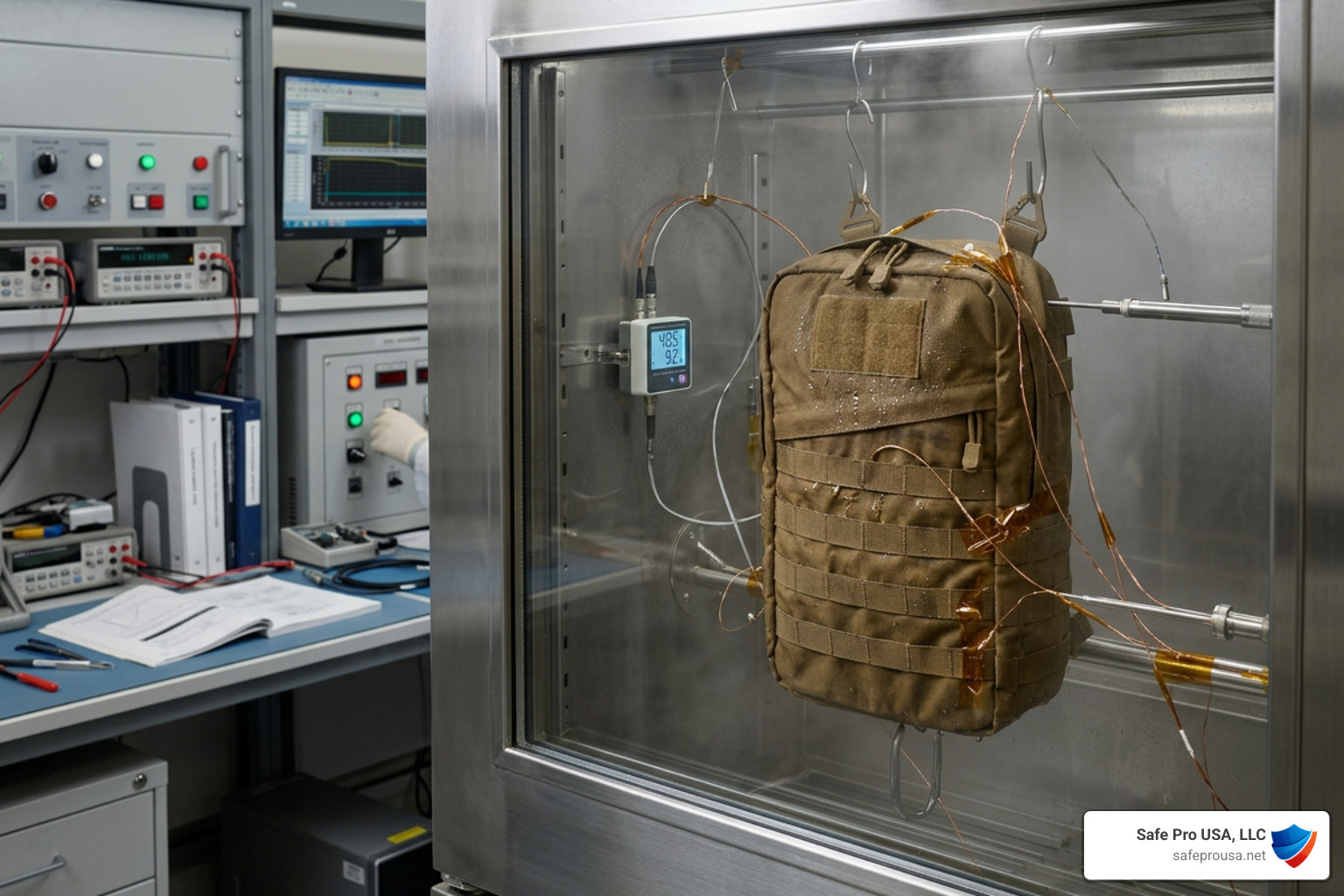
How do you know a tactical pouch is actually "mil-spec" and not just a cheap import with a camouflage pattern? The answer lies in standardized laboratory testing and certified manufacturing processes.
-
MIL-STD-810: This is the ultimate environmental testing standard for military equipment. It is not a single "certification" but rather a comprehensive framework of test methods designed to replicate real-world environmental stresses. To validate tactical gear durability, manufacturers subject finished pouches to rigorous testing cycles, including:
-
Vibration and Shock: Simulating transport in rugged off-road vehicles.
-
Salt Fog: Testing the corrosion resistance of metal snaps, grommets, and zippers in maritime environments.
-
High/Low Temperature Cycles: Ensuring plastic buckles do not crack in sub-zero cold and coatings do not melt in extreme desert heat.
-
FED-STD-101: This federal test method standard defines the physical testing procedures for packaging materials, including puncture resistance, tear strength, and seam integrity under load.
-
MIL-STD-129: This standard governs military marking for shipment and storage, ensuring that every batch of pouches is clearly labeled with its National Stock Number (NSN), manufacturer cage code, and manufacturing date for full traceability.
Military-Grade vs. Commercial Tactical Pouches
The differences between true military-specification pouches and cheap commercial alternatives are structural and legal:
-
The Berry Amendment: For official U.S. military contracts, tactical gear must comply with the Berry Amendment. This federal law requires that the goods be 100% sourced and manufactured in the United States. This guarantees strict oversight of the supply chain, ensuring that the nylon, thread, webbing, and hardware meet high domestic quality standards.
-
Seam and Structural Strength: Commercial pouches often feature single-stitched seams with thin polyester thread that unravels easily under load. True mil-spec pouches utilize lock-stitch construction, meaning that even if one stitch is cut, the rest of the seam remains secure.
-
Hardware and Lifespan: While commercial pouches use cheap plastic buckles that degrade under UV exposure, mil-spec pouches use heavy-duty, infrared-reflective polymer hardware (like ITW Nexus buckles) designed to remain stealthy under night-vision devices and resist crushing. This attention to detail is why professional gear, such as our American-made Mil Spec Armor Plate Carrier, is built to survive years of hard field use rather than just a few weekend trips to the range.
Specialized Protection: Signal Shielding and Environmental Barriers
In the modern tactical landscape, threats are no longer just physical; they are digital. Electronic warfare, remote tracking, and electromagnetic pulses (EMPs) require advanced tactical pouches equipped with specialized shielding technologies.
This is where the concepts of environmental barrier bags and load-bearing tactical gear merge. For example, high-performance tactical faraday pouches combine a rugged, waterproof 840D TPU outer shell with an interior lined with specialized shielding fabrics (like dual-layer Faraday shielding fabric).
These specialized pouches are designed to meet strict electromagnetic shielding standards, such as MIL-STD-188-125 and IEEE 299-2006. By creating a highly conductive, sealed enclosure (a Faraday cage), they completely block all wireless signals, including:
- WiFi (2.4 & 5GHz)
- Bluetooth
- 5G Cellular
- GPS
- RFID and NFC
- Radio signals from low MHz up to 40GHz
This signal isolation is crucial for law enforcement forensic evidence collection (preventing remote wiping or tracking of seized devices), military grab-and-go operations, and executive travel. Whether protecting a generator from a high-altitude EMP or shielding a tactical radio from signal detection, specialized mil-spec pouches provide an essential line of defense.
For those looking for high-quality tactical bags and rugged load-bearing options, selecting American-made tactical backpacks and modular duffel bags can provide the foundation for building out a highly durable, modular gear system.
Frequently Asked Questions about Durable Mil Spec Pouches
What is the difference between MIL-DTL-117H and commercial packaging?
MIL-DTL-117H is a strict military detail specification that requires packaging to undergo standardized testing for seam strength, water vapor transmission, grease resistance, and electrostatic discharge protection. Commercial packaging lacks these rigorous testing requirements, certified material traceability, and standardized dimensions, making it highly unreliable for long-term storage in harsh environments.
How does MIL-PRF-131 Class 1 protect against moisture?
MIL-PRF-131 Class 1 materials utilize a multi-layer laminate structure that includes a core layer of real aluminum foil sandwiched between heavy-duty protective polymers. This foil layer acts as a physical barrier that stops moisture at the molecular level, achieving an incredibly low water vapor transmission rate (WVTR) of less than 0.02 grams per 100 square inches over a 24-hour period.
Can civilian tactical gear meet true military specifications?
Yes, civilian tactical gear can meet true military specifications if the manufacturer utilizes the exact same materials (such as Berry-compliant 500D/1000D Cordura, bonded nylon thread, and ITW Nexus hardware) and construction methods (like bar-tacking and double-stitching) required by military contracts. However, buyers should always verify the specific material specs and testing standards rather than relying solely on "military-grade" marketing labels.
Conclusion
When you are operating in demanding environments, your gear's durability is not something you should have to worry about. Choosing durable mil spec pouches ensures that your electronics stay dry, your medical gear remains sterile, and your ammunition stays secure.
At Safe Pro USA, LLC (a proud subsidiary of the Nasdaq-listed Safe Pro Group: SPAI), we design and manufacture high-performance, American-made ballistic protection and tactical gear for military, law enforcement, and security professionals who demand the absolute best. Our commitment to mil-spec quality, clean design, and honest, high-durability materials ensures that our gear stands up to the toughest challenges in the field.
Ready to upgrade your tactical setup with defense-grade equipment? Explore our line of High-Performance Armor Plates and load-bearing gear to build a system you can rely on when it matters most.


